Did you know that radon exposure is one of the leading causes of lung cancer, second only to smoking? This silent threat looms in many Michigan homes, yet many remain unaware of its presence. Understanding radon gas's impact and the necessity of mitigation is crucial for safeguarding your home and health. Let's delve into the importance of radon mitigation in Michigan and how it can protect your family from this hidden danger.
Startling Statistics: The Prevalence of Radon

Radon is a radioactive gas that naturally forms from the decay of uranium in soil, rock, and water. This invisible and odorless gas can infiltrate homes unnoticed, posing significant health risks. According to the Environmental Protection Agency (EPA), about one in 15 homes in the United States has elevated radon levels. In Michigan, the prevalence is alarming, with numerous counties exhibiting high concentrations of radon. Ensuring that your home is tested and equipped with a radon mitigation system is essential to maintain safe indoor air quality and protect your family's health.
Homes in certain Michigan regions, particularly where the soil and rock contain more uranium, are more susceptible to elevated radon levels. These levels often reach hazardous heights in basements and lower floors—places where people spend much time. Knowing these statistics, it's vital to take preventative measures, starting with radon testing. This will help identify any issues early and address them with the appropriate mitigation systems.
Understanding Radon Gas: A Hidden Danger
Radon gas seeps into homes through cracks in floors and walls, construction joints, and gaps in foundations around pipes, wires, and pumps. Given that it is colorless and odorless, detecting this silent invader without specialized equipment is impossible. Long-term exposure to elevated radon levels significantly increases the risk of lung cancer, making it a public health concern. The most effective way to uncover radon issues in your home is through regular testing, ensuring any problems are swiftly addressed with appropriate mitigation measures.
Impact on Indoor Air Quality
Maintaining good indoor air quality is essential for healthy living. Elevated levels of radon can compromise this significantly. Michigan homes are particularly vulnerable due to the state's geological makeup and climate conditions, which make it easier for radon gas to accumulate indoors. By implementing radon mitigation systems, you can significantly improve your home's air quality, protect your family from potential health risks, and enhance your living environment's comfort and safety.
Radon and Lung Cancer: A Direct Link
The link between radon exposure and lung cancer is well-documented and a major cause of concern. The EPA and the Surgeon General estimate that radon causes thousands of lung cancer deaths in the United States each year. Prolonged exposure to high radon levels can lead to severe lung damage and increase the risk of developing lung cancer, even for non-smokers. This underscores the importance of addressing radon concerns through mitigation to ensure the health and well-being of everyone in the household.
Why You Need Radon Mitigation in Michigan
Detecting Elevated Radon Levels: Testing Procedures

Radon testing is a straightforward process that gives you crucial insights into the levels of radon within your home. There are two main types of radon tests: short-term and long-term. Short-term tests last from 2 to 90 days and provide a quick snapshot of the radon levels. However, long-term tests, which run for more than 90 days, provide a more accurate measure of the average radon level over time.
In Michigan, where radon levels can vary significantly even within a small area, conducting such tests is vital. Professionals are equipped with advanced tools to deliver precise results, and their involvement ensures that you receive reliable data to make informed decisions about implementing mitigation systems.
The Importance of Regular Radon Testing
Regular radon testing plays a crucial role in maintaining safe indoor environments. Since radon levels can fluctuate due to changes in weather, soil conditions, and structural alterations to your home, testing once isn’t enough. It's recommended to test your home every two to five years, and also after any renovations or changes to the home’s ventilation system.
Consistent testing ensures you are immediately aware of any changes in radon levels, allowing for timely intervention and remediation with a radon mitigation system, thereby safeguarding your family from the potential health hazards posed by radon exposure.
Exploring Radon Levels in Michigan
Michigan boasts diverse landscapes and geological formations, contributing to varying radon levels across the state. Urban areas, as well as regions with high basement and foundation exposure, frequently report elevated radon levels. Understanding your area's specific risks by consulting local radon maps and resources will better prepare you to take the necessary precautions.
Engaging local experts in radon testing and mitigation can also offer insights into the best strategies for your specific locale. These professionals are familiar with Michigan Department of Environmental Quality guidelines and can help ensure compliance with safety standards.
Mitigation Systems and Peace of Mind
Installing a radon mitigation system in your home not only reduces radon levels but also provides peace of mind. These systems channel radon gas from beneath your home to the outside before it can enter your living space. The specific type and size of system required depend on the structure of your home and the severity of the radon level detected. Consulting with a licensed radon professional ensures that the system installed meets all necessary criteria to effectively reduce risk.
Choosing the Right Radon Mitigation System
Types of Mitigation Systems Available
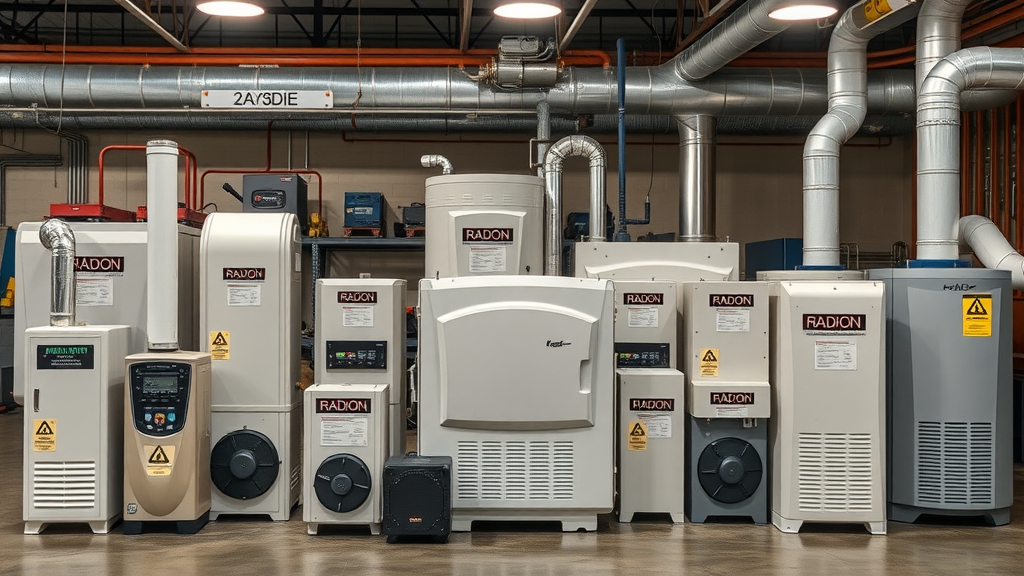
When considering radon mitigation systems, there are several options to choose from, depending on your home’s construction and layout. The most common systems include:
-
Sub-Slab Depressurization: This involves installing pipes through the foundation floor or along the outside of the house, drawing radon from beneath the home and venting it outside.
-
Soil Suction: Like sub-slab depressurization, soil suction systems draw radon from the soil below the home and safely vent it outside through a pipe.
-
Block Wall Suction: This system involves drawing radon from inside the foundation walls and venting it outside, ideal for homes with hollow block foundations.
How Mitigation Systems Work
The core principle behind all radon mitigation systems is creating a pathway for radon to escape from beneath your home before it has a chance to accumulate. Mitigation systems typically include suction and ventilation components that permanently reduce radon gas levels. Precise installation and regular maintenance ensure these systems operate effectively, keeping your indoor air safe and clean.
Ensuring Effective Air Quality Improvement
While radon mitigation systems primarily focus on reducing radon levels, they also contribute positively to overall air quality improvement. By controlling air pressure differences and ventilation, these systems help prevent other soil gases and moisture-related issues from affecting air quality. Their impact on overall home ventilation is significant—reducing mold, mildew, and improving respiratory health outcomes for homeowners.
Answering Common Questions About Radon Mitigation
How much does radon mitigation cost in Michigan?
The cost of radon mitigation in Michigan varies based on factors such as the size and design of your home, the type of mitigation system installed, and regional price differences. Typically, homeowners can expect to pay between $800 and $2,500. Engaging a certified radon mitigation specialist will provide an accurate estimate tailored to your needs.
Is radon mitigation worth it?
Radon mitigation is unequivocally worth the investment. Beyond its immediate health benefits—reducing the risk of lung cancer by maintaining safe radon levels—mitigation enhances your home's market value and appeal. A mitigation system represents peace of mind, safety, and an investment in your family’s health and future.
How much should a radon mitigation system cost?
A radon mitigation system cost varies, generally ranging from $1,000 to $2,500, depending on home-specific factors. It's critical to consult with local experts to determine the most appropriate and cost-effective solution for your radon mitigation needs.

What areas in Michigan have high radon levels?
Certain areas in Michigan, such as those with significant geological deposits of uranium or softer soil, are more prone to elevated radon levels. Cities and townships in Central and Western Michigan often report higher figures. For accurate insights, consulting local radon level maps or reports from the Michigan Department of Environmental Quality is advisable.
Engaging with Professional Radon Mitigation Services
Finding the Best Service Providers

When seeking a professional radon mitigation service, it's crucial to look for providers who are certified by the National Radon Proficiency Program or are recognized by local environmental bodies. Checking online reviews, asking for recommendations, and verifying certifications ensures you engage a reputable service provider capable of addressing specific radon concerns efficiently.
Steps for Long-Term Radon Mitigation Success
Long-term success in radon mitigation involves routine system checks and air quality monitoring. Regular maintenance of your mitigation system ensures continuous performance, adapting to any changes in home conditions or radon levels. Staying informed about state regulations and advances in radon mitigation technologies also aids in maintaining effective protection for your home.
The Benefits of Radon Mitigation: More Than Just Safety
Enhancing Health and Well-being
Beyond the primary safety goal, radon mitigation reflects a commitment to enriched health standards within the home. Effective mitigation improves overall respiratory health, reduces allergy and asthma symptoms, and promotes a healthier indoor environment, proving critical for families with children and seniors.
Improving Home Value and Peace of Mind
Homes equipped with proven radon mitigation systems fetch better market value and provide peace of mind to potential buyers wary of radon issues. These systems become a selling point, offering clients an assurance of safety and well-being. Protecting your home's value while safeguarding your family's health becomes a unique advantage of installing such a system.

The Role of Ongoing Monitoring and Maintenance
Ongoing monitoring and scheduled maintenance of radon mitigation systems are pivotal for sustaining long-term air quality improvements. Consistent professional check-ups and system updates ensure optimal function. Investing in this oversight guarantees that minimal radon levels are maintained and your home environment remains as secure as possible.
Final Thoughts on Radon Mitigation
Taking Action to Protect Your Family
Prompt action on radon mitigation in Michigan is a crucial step for securing your family's well-being. Begin by scheduling a radon test, followed by consultation with a certified professional if elevated levels are found. Radon mitigation systems offer a solid line of defense against this silent threat.
Concluding with a Call to Action
Don't wait for radon to become an issue. Act now by testing your home and exploring mitigation options. You owe it to your family to ensure a safe and healthy living space. Contact a certified radon mitigation professional today and secure peace of mind for tomorrow.
-
What You'll Learn: How radon affects health and practical steps for mitigation.
-
Key Facts and Risks: Radon’s link to lung cancer and its hidden presence in homes.
-
Steps for Effective Mitigation: From testing to system installation and maintenance.
-
Questions to Ask Providers: Cost, system types, and maintenance inquiries.
-
Benefits of Professional Services: Assurance, expertise, and lasting air quality improvements.
“Ignoring radon is like ignoring the smoke detector. It’s a silent threat that requires action.”
|
|
|
|
Comparison of Mitigation Systems and Costs |
|
Type of System |
Application |
Average Cost |
Efficiency |
|---|---|---|---|
|
Sub-Slab Depressurization |
Basements and Helical Piers |
$800 - $2000 |
High |
|
Soil Suction |
Homes with Crawl Spaces |
$900 - $2500 |
Medium |
|
Block Wall Suction |
Hollow-Stem Concrete Blocks |
$1000 - $2000 |
High |
FAQs
What is the most effective radon mitigation system?
Sub-slab depressurization systems are typically the most effective for reducing radon levels, as they draw radon out before it enters the home. However, the best system depends on your home's specific needs and structure.
Can radon levels increase over time?
Yes, radon levels can fluctuate due to changes in weather, soil conditions, and structural alterations. Regular testing is essential to ensure levels remain safe.
Are there DIY radon mitigation options?
While DIY kits exist, they may not be reliable or effective for substantial radon problems. Professional installation ensures thorough mitigation and long-term efficacy.
Educational video on radon mitigation benefits.